Строительство загородных домов: common mistakes that cost you money
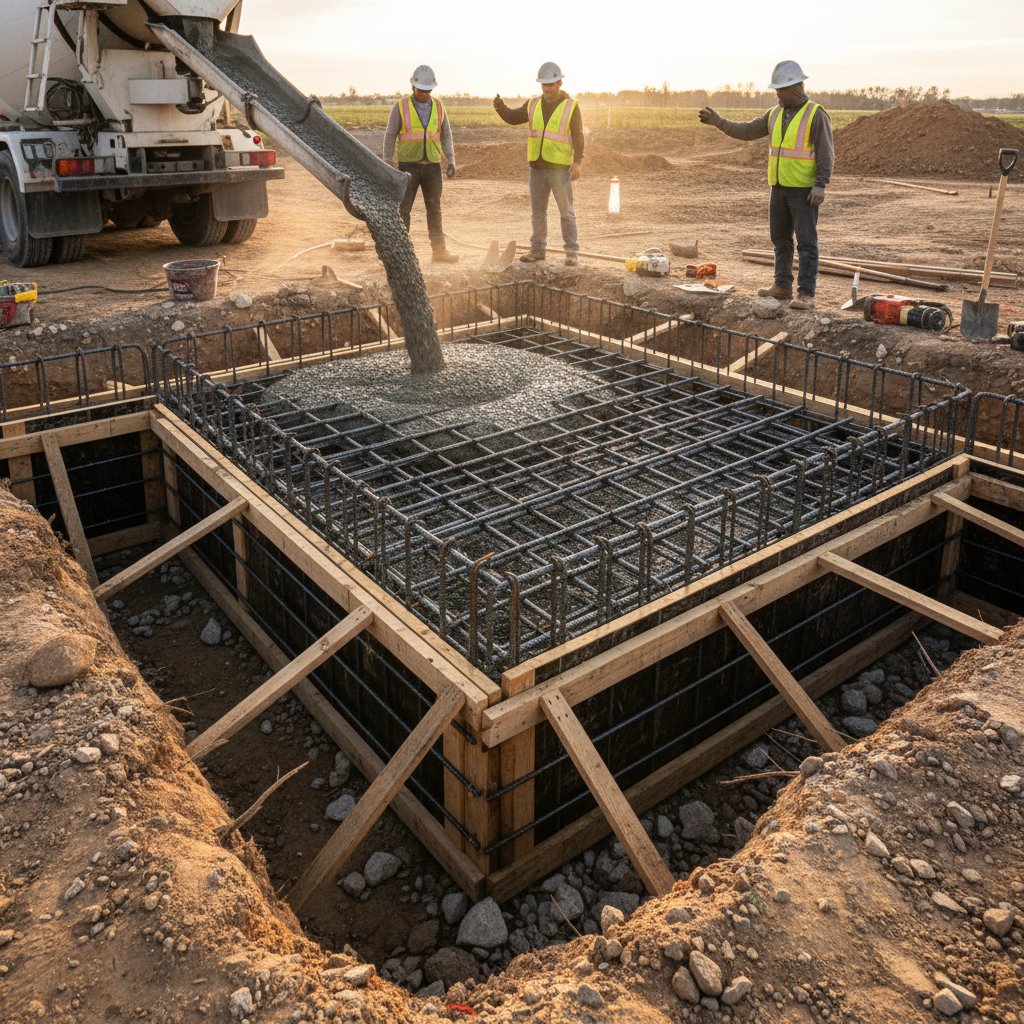
The Real Cost of Building Your Country Home: DIY Ambition vs. Professional Execution
Building a country house feels like a dream until you're standing in an unfinished shell, watching your budget evaporate faster than morning dew. I've seen homeowners try to save 30% by cutting corners, only to spend 50% more fixing their "savings." The biggest decision you'll face isn't which tiles to choose—it's whether to lean heavily into DIY project management or hand the reins to experienced builders.
Let's be brutally honest about what actually drains your wallet. This isn't about minor aesthetic choices. We're talking foundation cracks, moisture disasters, and electrical work that fails inspection three times running.
The DIY-Heavy Approach: When Owner Management Goes Wrong
Some folks treat building a country home like assembling IKEA furniture at scale. Spoiler alert: it rarely ends well.
The Upside
- Perceived savings of 20-35% on labor costs by coordinating subcontractors yourself
- Complete control over every decision, from electrical outlet placement to door handle selection
- Direct communication with each specialist means no "telephone game" with information
- Flexibility to pause, change direction, or upgrade materials mid-project
The Downside (Where Money Vanishes)
- Timeline disasters: Projects stretch from 8 months to 18+ months when you're juggling subcontractors who don't show up
- Sequencing nightmares: The electrician arrives before the plumber finishes, costing you $800 in wasted trips
- Material waste: Ordering wrong quantities means 15-25% material overspend—that's $12,000 on a $200,000 build
- Hidden incompatibilities: Your cheap windows don't match the wall thickness, requiring custom carpentry at $3,500
- Permit violations: Missing inspections or doing work out of sequence leads to teardowns and rebuilds
- No warranty protection: When your roof leaks in year two, you're hunting down a subcontractor who's now "unavailable"
The killer? You don't know what you don't know. That slight slope in your foundation might seem fine until winter reveals a drainage catastrophe.
Professional Builder Route: Paying for Expertise
Handing your project to an established construction company feels expensive upfront. But let's break down what you're actually buying.
The Upside
- Fixed timeline: Most reputable builders complete country homes in 6-10 months with penalty clauses for delays
- Bulk purchasing power: They buy materials at 15-20% below retail prices, partially offsetting their fees
- Coordinated teams: Everyone shows up when they're supposed to, in the right order
- Insurance and warranties: Structural guarantees typically run 5-10 years
- Problem-solving experience: They've built 50+ homes and know how to handle soil issues, material shortages, and weather delays
- Proper documentation: All permits, inspections, and approvals handled correctly the first time
The Downside
- Higher upfront costs: Builder margins add 18-25% to the base construction cost
- Less granular control: Standard packages mean fighting for custom changes
- Communication layers: You're talking to a project manager, not the person doing the work
- Rigid contracts: Making changes mid-build triggers expensive change orders
- Quality variations: Not all builders are created equal—some cut corners while charging premium rates
Head-to-Head Comparison
| Factor | DIY Management | Professional Builder |
|---|---|---|
| Typical Timeline | 12-24 months | 6-10 months |
| Budget Overrun Risk | 40-60% over initial estimate | 10-15% over initial estimate |
| Your Time Investment | 20-30 hours weekly | 2-5 hours weekly |
| Warranty Coverage | Individual subcontractor only | Comprehensive, 5-10 years |
| Material Costs | Retail pricing | 15-20% below retail |
| Stress Level | Extremely high | Moderate |
| Resale Documentation | Often incomplete | Complete with certificates |
The Money Truth Nobody Tells You
Here's what actually happens: Most DIY managers start confident, hit their first major problem around month four (usually foundation settling or material delivery failures), then panic-hire a builder to rescue the project. Now you're paying premium rates to fix mistakes AND paying builder margins on remaining work.
The sweet spot? If you have genuine construction experience—not YouTube university, but actual building projects under your belt—managing some aspects while hiring professionals for structural, electrical, and plumbing work can save 10-15% without the catastrophic risks.
But if this is your first rodeo? The "expensive" professional builder typically costs less than the "cheap" DIY approach once you factor in your time, mistakes, delays, and the premium you'll pay fixing problems before you can sell.
Your country home should be a retreat, not a money pit with a view. Choose the approach that matches your actual skills, not your optimistic assessment of them.