Строительство загородных домов in 2024: what's changed and what works
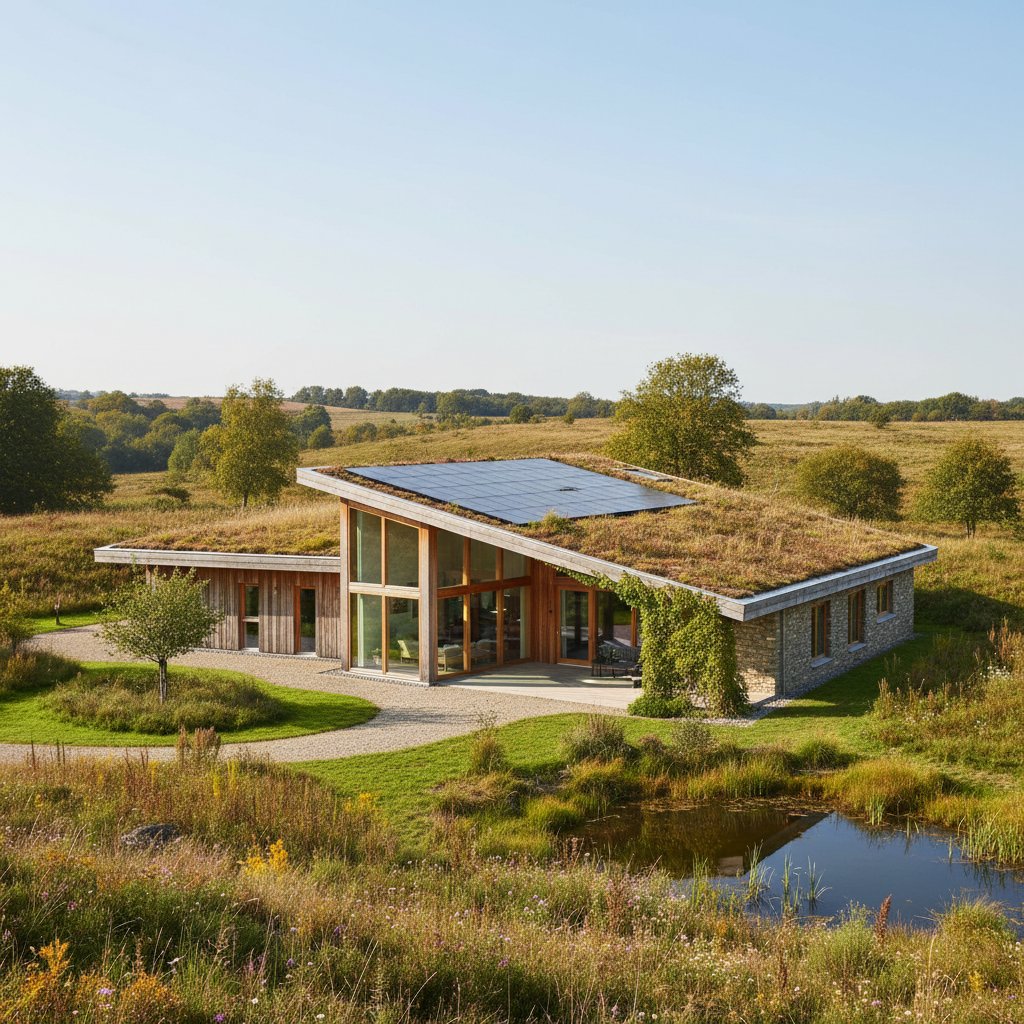
The Russian countryside housing market has been absolutely wild these past couple of years. Between remote work becoming permanent for many, shifting regulations, and a complete reshuffling of supply chains, building a dacha or year-round country home in 2024 looks nothing like it did in 2022. Here's what actually matters now if you're planning to break ground.
1. Modular Construction Has Finally Gone Mainstream
Factory-built modules used to mean "cheap prefab," but that stigma is dead. We're seeing families drop 8-12 million rubles on high-end modular homes that arrive 60-70% complete. The timeline difference is staggering: traditional builds still take 9-14 months, while quality modular construction gets you move-in ready in 4-6 months.
The game-changer? Companies like Render House and DomaTut now offer customization that rivals traditional architects. You're not stuck with three cookie-cutter floor plans anymore. One project manager I spoke with said their modular builds increased from 15% of their business in 2022 to nearly 40% this year. The math just works better when labor costs keep climbing.
2. Year-Round Living Requires Serious Insulation Investment
The "summer dacha" concept is basically extinct. Everyone wants four-season capability now, which means insulation standards have jumped dramatically. Builders are installing 200-250mm wall insulation as standard, up from 150mm just three years ago. Your heating bills will thank you—we're talking 35-45% lower energy costs compared to older builds.
Triple-glazed windows aren't optional anymore if you're serious about winter comfort. Yes, they add 180,000-250,000 rubles to a typical 120 square meter home, but single-pane or even double-pane windows are false economy. I've visited February projects where the indoor-outdoor temperature differential was 45 degrees, and you couldn't feel a draft anywhere.
3. Autonomous Systems Aren't Just for Off-Grid Enthusiasts
Even in cottage settlements with full utilities, smart builders are installing backup systems. We're seeing septic tanks with 5-7 year maintenance intervals replacing older 2-3 year systems. Solar panels with battery storage dropped about 20% in effective cost since 2023, making a 5kW system with storage around 450,000-600,000 rubles installed.
The real shift is in water systems. Drilled wells now go 40-60 meters deep as standard because shallow wells keep failing during dry summers. Budget 85,000-120,000 rubles for proper well drilling with quality pumps. Nobody wants to truck in water during August anymore.
4. Permitting Timelines Have Actually Improved
Surprise! Digital submission systems in most regions cut approval times from 3-4 months down to 4-7 weeks. The catch? Your documentation needs to be absolutely spotless. One missing signature or outdated survey means you're back to square one.
The amnesty programs for older unpermitted structures are winding down in most regions. If you've got an old dacha you've been "meaning to legalize," 2024 is probably your last easy window. After January 2025, expect the process to get significantly more complicated and expensive.
5. Material Costs Have Stabilized (Mostly)
Lumber prices finally stopped their rollercoaster ride. A cubic meter of construction timber sits around 12,000-15,000 rubles depending on your region—roughly the same as early 2023. Concrete and rebar are up about 8-12%, but that's manageable compared to the 40%+ spikes we saw in 2022.
Here's what hasn't stabilized: imported fixtures and finishes. That German heating system or Italian tile? Expect to pay 25-35% more than pre-2022 prices, and availability is spotty. Savvy builders are speccing domestic alternatives that actually perform comparably. Russian-made radiant floor heating systems have gotten legitimately good.
6. Labor Shortages Mean You Need Contracts Locked Early
Good construction crews are booking 3-4 months out, sometimes longer for spring starts. The days of calling a brigade in March for April work are over. Experienced framers now command 3,500-4,500 rubles per square meter, up from 2,800-3,200 in 2022.
The flip side? Contractors are more reliable because they're busy enough to turn down problem clients. If a builder has immediate availability and low prices, that's a red flag, not a bargain. The best crews I've seen require 30% deposits and have waiting lists.
7. Smart Home Tech Is Standard, Not Premium
Basic automation—lighting control, heating zones, security cameras—adds maybe 120,000-180,000 rubles to a build and saves that much in energy costs within 3-4 years. The systems are finally reliable enough that 60+ year-old clients are requesting them.
Voice control and app-based monitoring aren't luxuries when your house is 80 kilometers from Moscow and you're only there on weekends. Being able to preheat before arrival or check if you left the stove on? That's just practical now.
Building outside the city in 2024 means navigating a completely different landscape than even two years ago. The good news? If you plan properly and work with builders who've adapted to the new reality, you'll end up with a better house for roughly the same real cost. Just don't expect it to look like your neighbor's 2019 build—everything from materials to methods has evolved.